
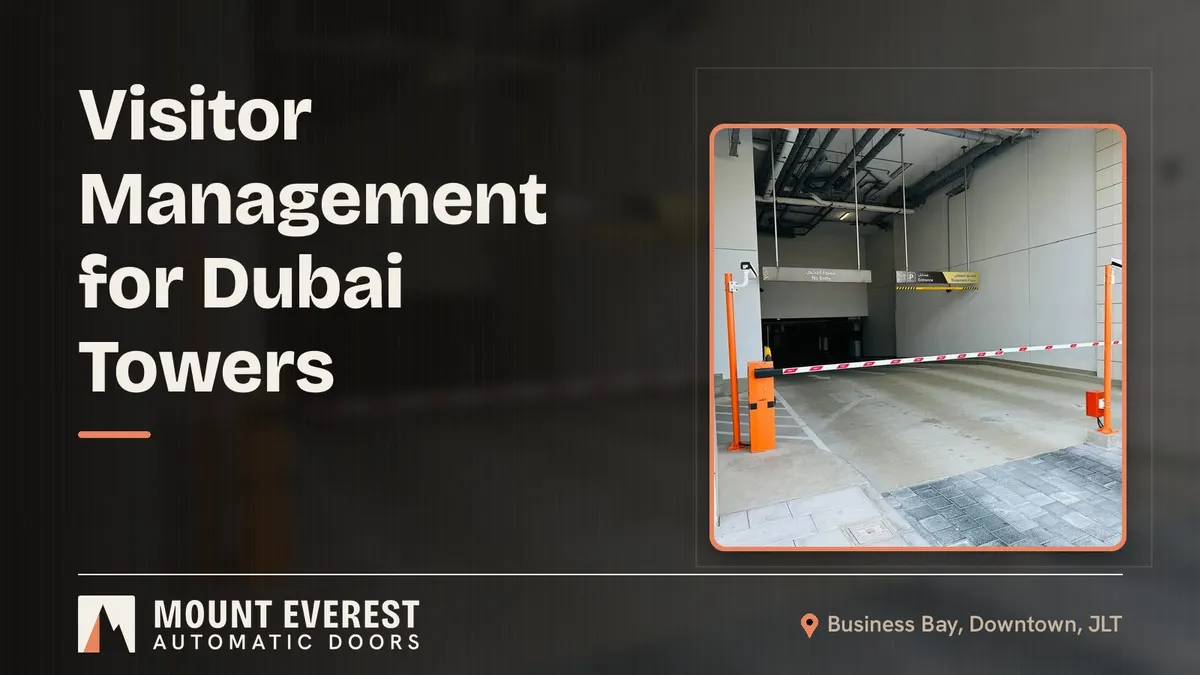
Short answer: A tower visitor system has three jobs: the resident says who is coming, the guard or reader checks that the visitor matches, and the barrier opens and records it. Pre registration with a QR pass or plate cuts guard calls. Keep a guard fallback, an intercom and a manual release for the visitor who was never registered.
In short
- Decide the rules first: who may invite, how long a pass lasts and what a guard may override.
- Pre registration with QR or plate is the fastest path, and the guard desk is the fallback.
- The barrier and the software are separate. Ask who supplies each, and who answers when they disagree.
- Collect the minimum visitor data and agree how long it is kept.
- Plan the queue space before the hardware. A barrier that stops cars on the road is a design fault.
What does a visitor management system do at a tower entrance?
It links a visit to an invitation. Without it, the guard rings the apartment, waits, and lifts the barrier by hand. With it, the resident registers the visit, the visitor arrives with a pass or a recognised plate, and the barrier opens without a phone call.
Facilities managers in Business Bay, Downtown Dubai and Jumeirah Lakes Towers deal with the same pattern every evening: a queue of delivery riders, guests and taxis at a basement ramp, and one guard trying to serve them. A system is only worth buying if it removes that queue without leaving the building open.
The vendors speak in jargon, so here is the plain version. A visitor management system is three things working together: a place for residents to invite, a way to check the visitor at the gate, and a record afterwards. The barrier hardware is only the last step.
How does the flow work from invite to barrier?
The same path should be used for every visitor, so staff and residents learn one habit.
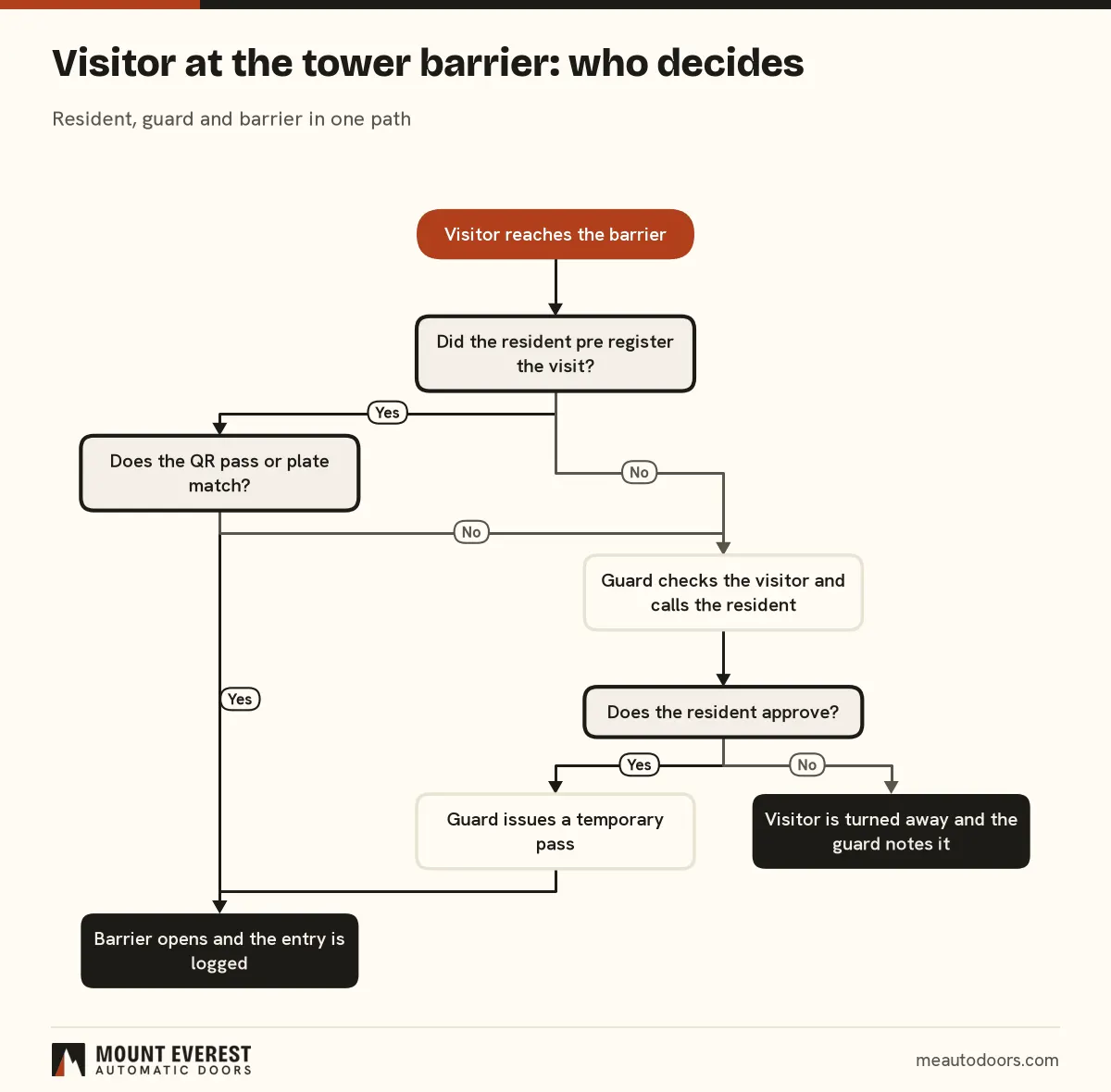
- The resident registers the visit: name, date, and either a plate number or a request for a QR pass.
- The system sends the QR pass to the visitor, or stores the plate against the visit.
- At the barrier, the visitor shows the QR to a reader, or a camera reads the plate.
- If the data matches an open invitation, the barrier lifts and the entry is logged.
- If it does not match, the guard checks the visitor and calls the resident.
- When the resident approves, the guard issues a temporary pass and the barrier opens.
QR pass, plate recognition or guard call: which should we use?
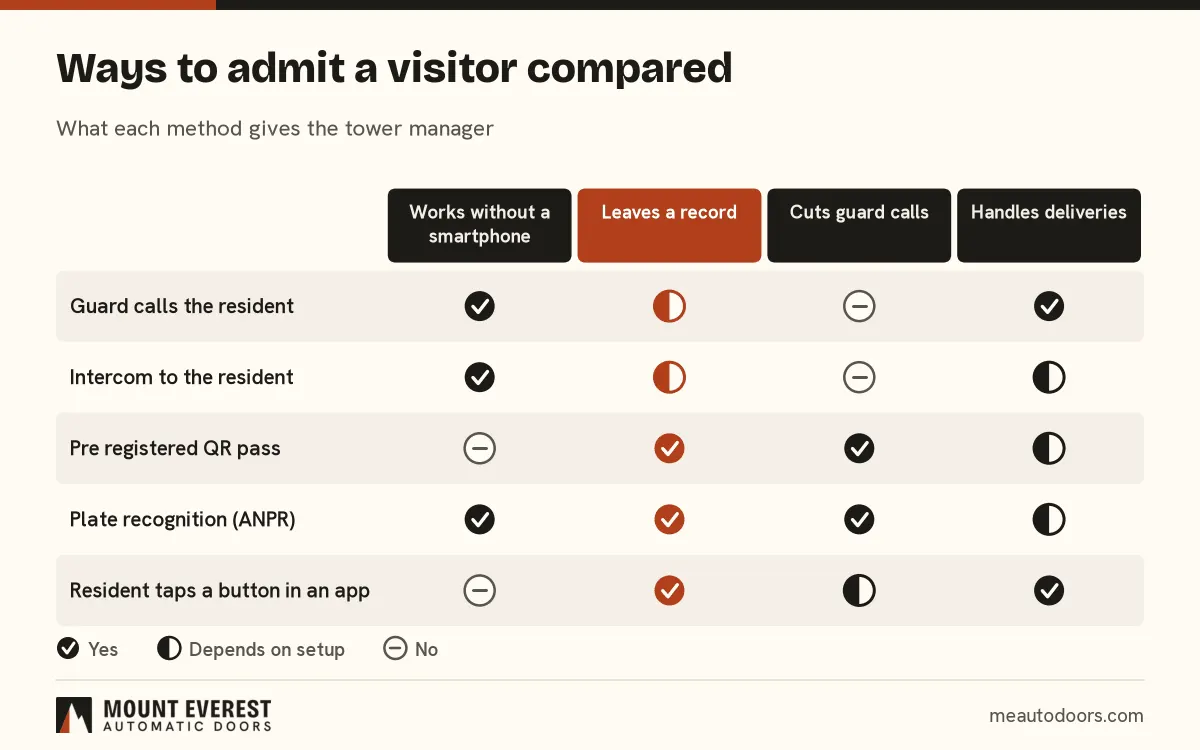
Most towers end up with a mix, because no single method serves every visitor.
| Method | Strength | Weakness |
|---|---|---|
| Guard calls the resident | Needs no technology and handles anyone | Slow at peak times and leaves a thin record |
| Intercom to the resident | The resident sees and hears the visitor | Depends on the resident answering |
| QR pass | Clear record and quick at the reader | Visitor needs a phone and signal in the ramp |
| Plate recognition (ANPR) | No action from the driver | Needs a good camera position and clean plates |
| App button by the resident | Resident opens from anywhere | Needs a reliable app and clear rules |
Our page on ANPR parking systems explains how plate reading works and what it needs. For a short answer on camera placement and what affects accuracy, see the FAQ on what ANPR is and how it helps in a car park. The wider picture of tickets, counting and payment sits on the parking management systems page.
What hardware sits at the barrier?
A barrier lane in a tower usually has a boom barrier, a vehicle detector in the road, a reader or camera, and an intercom post. The detector tells the barrier a car is under the boom, so it does not come down on it.
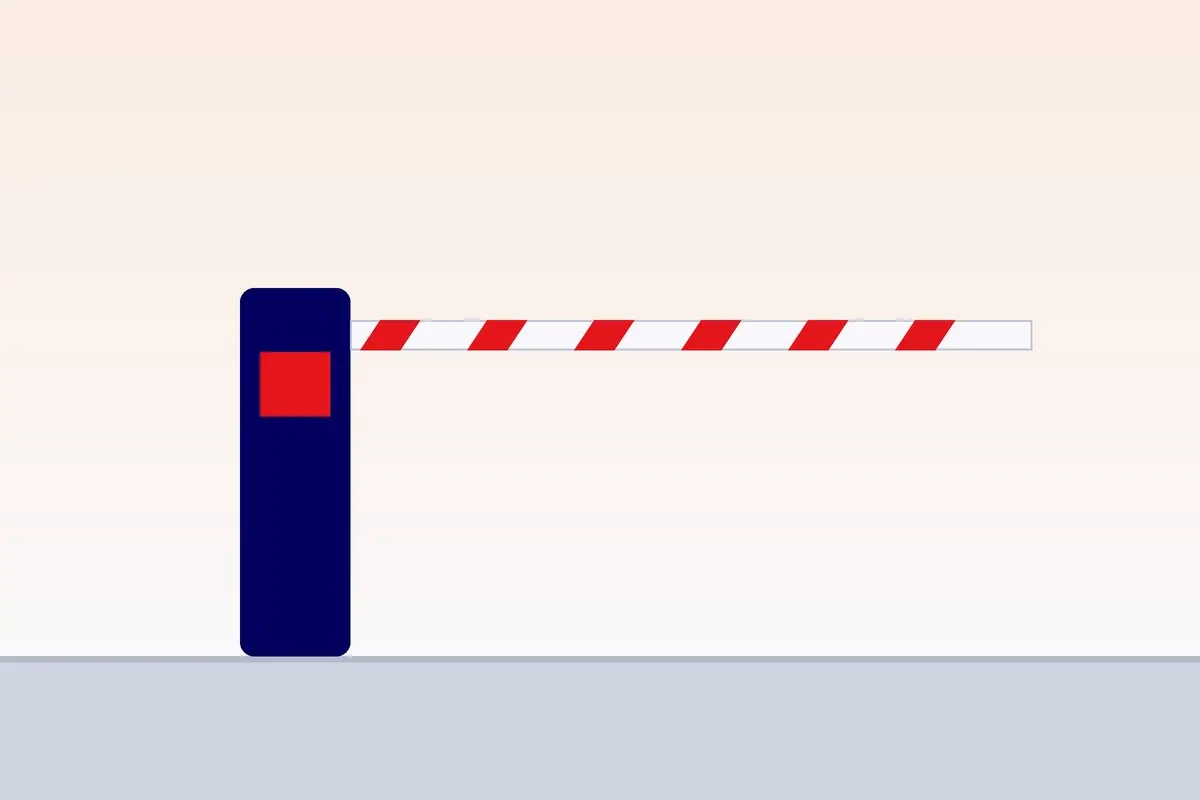
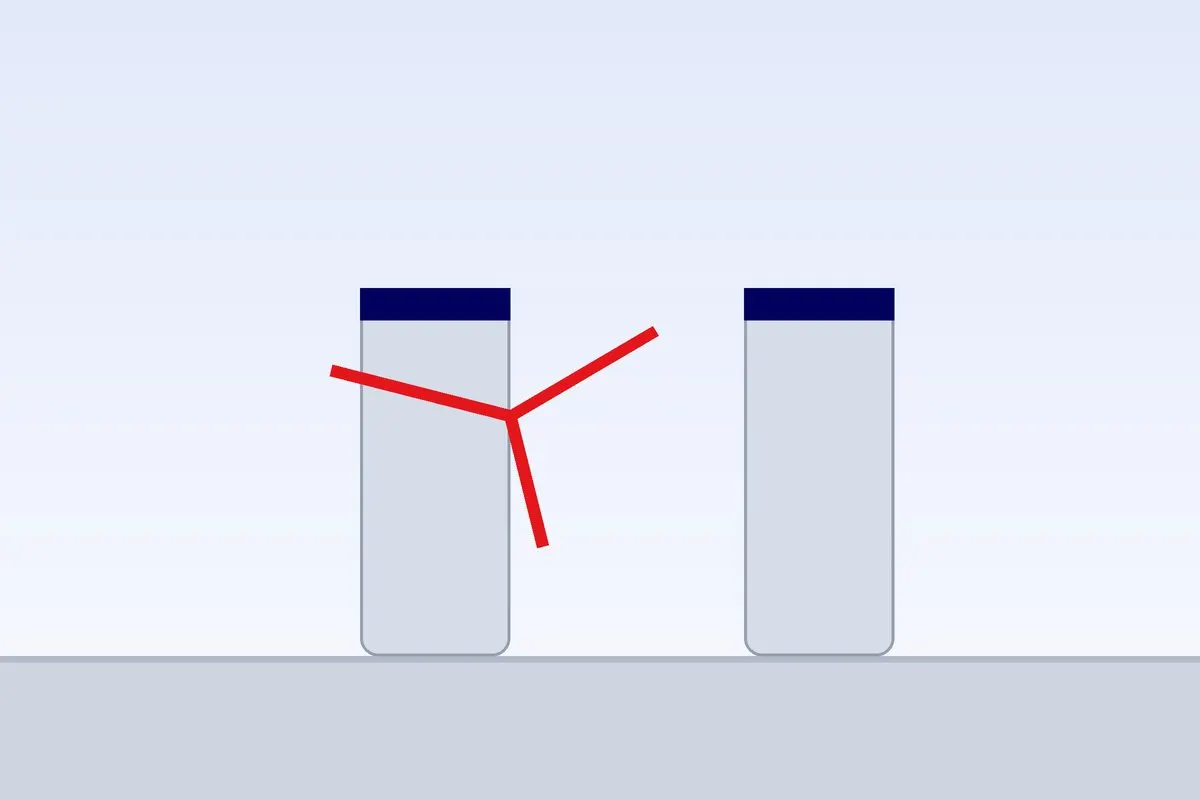
Look at the boom barriers page for the vehicle side. For people on foot, such as residents and couriers who enter by the lobby, turnstile gates and swing gate barriers give a controlled path that can use the same pass.
For bays reserved for residents or visitors, parking locks and space savers work with the same rules. Reader and barrier are usually connected by a simple signal or a network link. Which one fits depends on the software. Ask for this to be written in the specification, so the supplier of the software and the supplier of the hardware are not blaming each other later.
What goes wrong in real towers?
The faults we hear about are rarely the barrier itself. They come from the layout and the rules.
| Symptom | Likely cause | What to do |
|---|---|---|
| Cars queue back onto the road | Barrier too close to the street, slow check at the lane | Plan queue length, use pre registration to speed the lane |
| QR will not scan in the ramp | No phone signal, glare or a dirty reader | Offer an offline code or a guard fallback, clean the reader |
| Plate not read | Camera angle, dirt, light changes or plate style | Review the camera position, then add a second method |
| Barrier lifts and drops on a car | Vehicle detector missing or misplaced | Have the detector checked, stop using the lane meanwhile |
| Residents share their pass links | No limit on how many visits a pass can serve | Make passes single use or time limited in the rules |
Fire alarm behaviour is a separate item. What happens to barriers and turnstiles when an alarm sounds is something your consultant and the authority set. Read our FAQ on how a fire alarm affects electric locks and access control and confirm requirements with the building management and the consultant before you decide.
What do we need to agree before choosing a system?
A short written policy saves months of argument later. Agree these points with the owners' association or building management.
- Who may invite: residents only, or tenants and staff too.
- How long a pass lasts: one visit, one day or a repeat window.
- What a guard may override: and how the override is logged.
- What is recorded: names, plates, times. Keep the minimum and agree how long it is stored, following the building's privacy policy and UAE rules.
- Delivery handling: a standing rule for couriers and food riders, who rarely have a prior invitation.
- Contractors: a separate list for the fit out period, with end dates.
For a wider read on towers and turnstiles, see our guide to access control and turnstiles for Sheikh Zayed Road towers, and the planning notes on turnstile throughput.
See a basement car park barrier job
Project
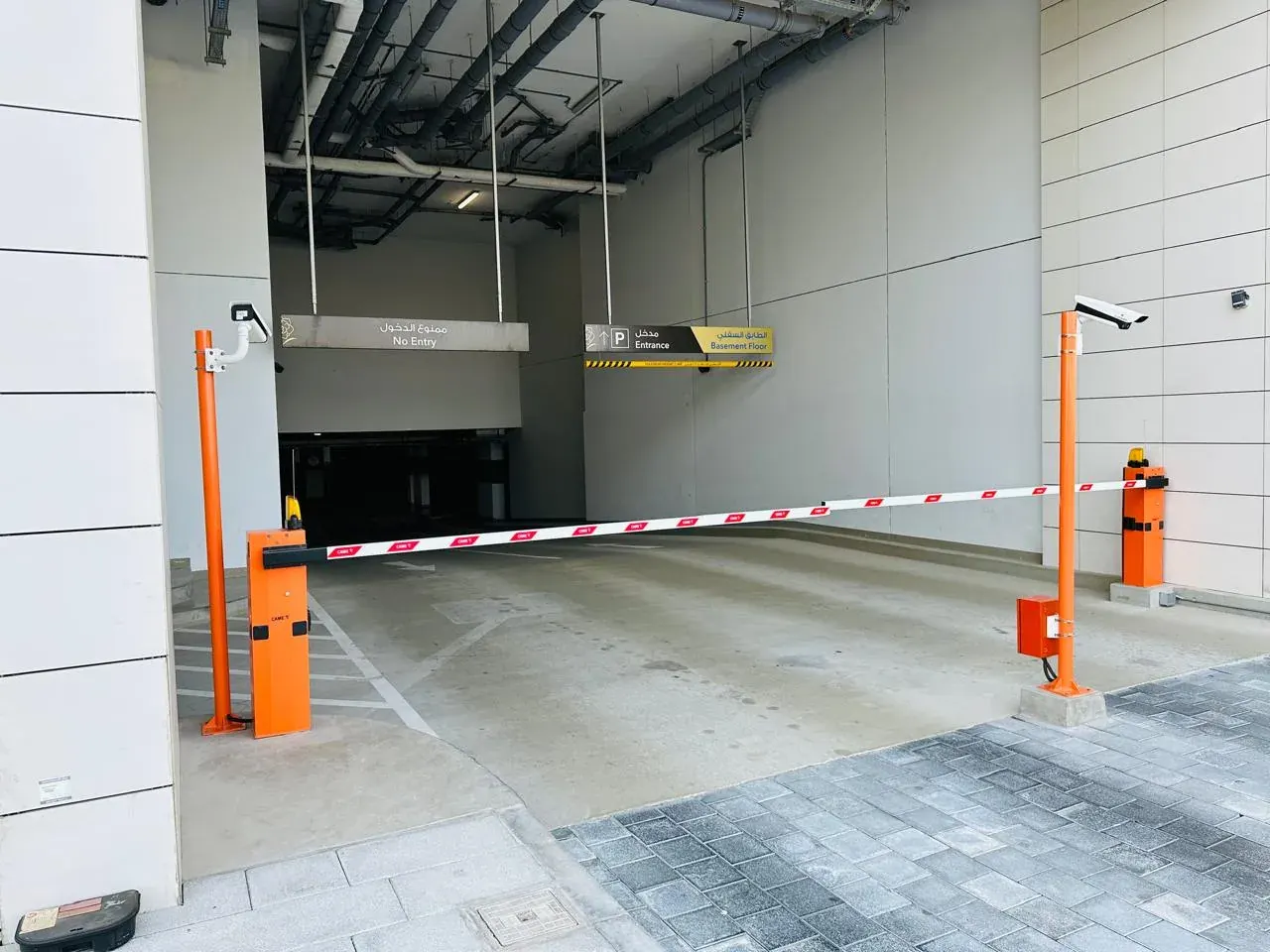
Gate barrier installation in Dubai Hills, Dubai
This job shows a barrier with a striped boom across a basement car park entrance. A visitor system would sit on top of a lane like this. See the full project record.
If you manage a tower and want to know what it would take to add visitor control to an existing lane, a maintenance contract for the current barrier is a good first step, because a barrier that is not well maintained will not suit any visitor software.
Frequently asked questions
Can we add visitor management to a barrier we already have?
Often yes, if the barrier control board accepts an input from a reader or a controller. A technician needs to see the board and the lane. Send photos of the barrier cabinet, the label on the control board and the lane layout, and we can say what is possible before a visit.
Do visitors need to install an app?
Not necessarily. A QR pass can arrive by message and open in a browser or the phone wallet, depending on the software. A plate based system needs nothing from the visitor. Ask the software supplier what the visitor sees, and keep a guard fallback for those without a phone.
What about deliveries and taxis?
Treat them as a rule, not a case by case call. Many towers use a short waiting bay, a courier lane or a hold at the lobby desk. The resident can release them from an app or intercom. Write the rule down so guards apply it the same way every time.
Is plate recognition accurate enough to open a barrier alone?
It depends on camera position, lighting, dirt and plate style, so most towers add a second check such as a QR pass or a guard glance at the screen. Ask for a trial on your lane in day and night light before you commit.
Who is responsible when the software and the barrier disagree?
Whoever your contract names. Insist on a written split: the software supplier owns the data and the logic, the hardware supplier owns the barrier and its safety devices. Our FAQ on linking a barrier to a ticket machine or app covers the usual connection points.
How do we handle a power cut at the barrier?
A barrier should have a manual release, and the guard should know where the key is. Backup power for the reader and the barrier is a design choice. Ask what the lane does when the power drops and what the guard does, and test it once with the building team present.
Send us the details and we will advise
What to send us
- Photos of the barrier lane, the barrier cabinet and the reader or intercom post
- The tower name and area, for example Business Bay or Downtown Dubai
- Barrier and control board brand from the label
- How many lanes and roughly how many visitors at peak times
- Who manages the software today, and whether the tower has a guard desk at the ramp
Call or WhatsApp +971 50 494 8667, ask for a written offer on the quote form, send photos through the photo page, or book a visit on the site visit page. Mount Everest Automatic Doors covers Dubai first and books jobs in the other emirates by appointment.
Want this done properly?
Send a photo of your door or gate and we will tell you what we see.