
Hospital automatic door requirements in the UAE mandate strict adherence to safety standards like EN 16005, focusing on infection control, pressure regulation, and reliable emergency egress for all healthcare facilities. Compliance involves integrating specialized hardware, such as hermetic seals and touchless activation, to ensure that patient safety and operational hygiene are maintained across high-traffic clinical environments.
The Critical Importance of Specialized Healthcare Entrances
In the UAE, a hospital automatic door is not merely a convenience but a vital piece of medical infrastructure. These systems must facilitate the movement of patients on stretchers, medical staff carrying equipment, and visitors while maintaining the integrity of sterile zones. Unlike standard retail doors, healthcare entrances are designed to withstand 24/7 operation without failure.
Facilities such as clinics in Jumeirah or large multi-specialty hospitals in Dubai Marina face unique environmental challenges. High humidity and extreme heat can degrade standard door components, leading to operational drift. Utilizing hospital entrance automation ensures that the hardware is rated for the specific climate and duty cycles required in the region.
Understanding Hermetic Sealing for Sterile Zones
For areas like operating theaters, intensive care units, and laboratories, standard sliding doors are insufficient because they allow air exchange that can compromise sterility. Hermetic hospital automatic doors are specifically engineered to provide an airtight seal when closed.
These doors typically feature a unique track system that allows the door leaf to move both laterally and toward the frame, creating a gasket seal on all sides. This mechanism is essential for maintaining positive or negative air pressure, which prevents the migration of airborne pathogens between rooms. If you are retrofitting an older clinic, replacing standard doors with hermetic models is a priority for meeting modern health accreditation standards.
Compliance and Safety Standards in the UAE
Adhering to local regulations is the baseline for any facility manager. The UAE follows international benchmarks, most notably EN 16005, which dictates how power-operated pedestrian doors must function to prevent entrapment or impact. You can find detailed guidance on how to align your facility with these rules in our UAE Civil Defense automatic door compliance guide.
Safety sensors are non-negotiable. Active infrared and laser sensors must be installed to detect individuals or equipment in the threshold, forcing the door to reverse or stop before contact occurs. Furthermore, all automatic systems must be equipped with an emergency breakout function, allowing the doors to be pushed open manually in the event of a power failure or fire alarm activation.
Comparison of Entrance Solutions for Healthcare Facilities
Choosing the right door system depends on the specific requirements of the department. The following table outlines the differences between common configurations used in local hospitals.
| Feature | Hermetic Sliding Door | Standard Sliding Door | Swing Door Operator |
|---|---|---|---|
| Primary Use | Operating Theatres / ICU | Main Lobby / Pharmacy | Patient Rooms / Offices |
| Air Sealing | High (Airtight) | Low | Minimal |
| Activation | Touchless (Wave/Radar) | Motion Sensor | Push Plate / Motion |
| Pressure Control | Yes | No | No |
| Emergency Egress | Breakout/Manual | Breakout | Manual Override |
| Hygiene Level | Maximum | Moderate | High (with sensors) |
The Role of Touchless Automation in Infection Control
The movement toward touchless technology has accelerated in recent years. By eliminating physical handles and push-plates, hospitals significantly reduce the surface area that requires constant disinfection. Installing wave-to-open sensors allows staff to enter sterile environments without using their hands, which is critical when they are already wearing surgical gloves or carrying heavy medical trays.
Beyond hygiene, these systems improve the longevity of the door hardware. By reducing physical impact on the door panels and frames, you minimize the risk of mechanical misalignment. We often recommend integrating these sensors with RFID vs biometric access control for Dubai buildings to ensure that only authorized personnel can enter sensitive zones like medication storage or server rooms.
Installation and Maintenance Considerations
The installation process for a hospital door is highly technical. It begins with a site survey to assess the structural integrity of the wall and the available space for the door track. Because hospitals often operate on tight schedules, we coordinate installation phases to minimize disruption to patient care.
Regular maintenance is the only way to ensure that safety features remain fully functional. Dust, which is prevalent in the Dubai climate, can accumulate in door tracks and sensors, leading to erratic operation. An Annual Maintenance Contract (AMC) is the most effective way to manage this, as it includes scheduled inspections, the use of genuine manufacturer spare parts, and priority access to emergency repair services.
Factors Influencing the Cost of Hospital Doors
While we do not provide generic pricing, it is important to understand what drives the investment in healthcare automation. The primary factors include the door material (such as lead-lined doors for X-ray rooms), the complexity of the hermetic sealing system, and the sophistication of the access control integration.
Upgrading to heavy-duty motors is a necessary expense for high-traffic areas, as they are designed to handle thousands of cycles per day. Choosing cheaper, light-duty commercial hardware for a hospital environment is a common mistake that leads to frequent breakdowns. It is always more cost-effective to invest in high-quality systems that offer long-term reliability and lower repair frequency.
Common Mistakes in Healthcare Door Specification
One of the most frequent errors is failing to account for the width required for medical equipment. A standard door opening may be insufficient for specialized hospital beds or imaging machines. Another common issue is the misuse of door types, such as installing a standard sliding door where a hermetic seal is required for infection control.
Additionally, neglecting to test the emergency breakout mechanism during the commissioning phase can lead to compliance failures. We recommend a full functionality test after every major service or modification. Understanding the differences in sliding vs swing vs revolving automatic doors is crucial to selecting the right model for your specific floor plan.
How to Manage Door Security Beyond the Entrance
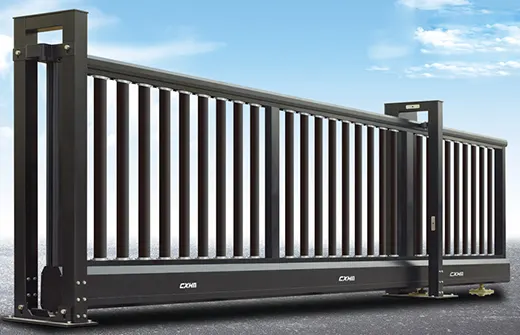
While internal doors focus on hygiene, the perimeter of a hospital requires robust security. This includes managing parking areas and staff entry points. Utilizing long range barrier gates at hospital entrances allows for efficient management of ambulance and emergency vehicle access.
For staff parking, we often integrate parking space savers to ensure that designated emergency personnel always have access to their spots. Controlling the flow of traffic at the perimeter is just as important as the sterility of the interior, as it keeps the hospital grounds organized and accessible for those who need it most.
When to Call a Professional
If you notice your automatic doors failing to close completely, making grinding noises, or reacting slowly to sensors, it is time to contact a professional. Attempting to repair a hermetic door without the proper training can break the seal, rendering the room unsafe for surgical procedures.
Our team at Mount Everest Automatic Doors provides 24/7 emergency support for hospitals throughout Dubai and the wider UAE. Whether you need a simple sensor adjustment or a full system overhaul, we ensure that your facility remains compliant and operational.
Frequently Asked Questions
What are the main differences between a standard automatic door and a hospital hermetic door?
A standard automatic door is designed for convenience and traffic flow, whereas a hermetic door is engineered with a specialized track and gasket system to seal the perimeter completely. This seal is necessary to maintain air pressure differentials and prevent the cross-contamination of air, particles, and bacteria, which is essential in sterile environments like operating rooms.
How often should hospital automatic doors be serviced?
Given the high-traffic nature of healthcare facilities, we recommend professional inspections at least every three to six months. Facilities with high-cycle usage or those located in environments with significant dust exposure may require more frequent maintenance to ensure that sensors are clean and tracks remain free of debris.
Are touchless sensors compatible with all existing hospital doors?
In most cases, yes. We can retrofit existing automatic sliding or swing doors with wave-to-open sensors, radar technology, or foot-operated switches. During a site survey, our technicians will assess your current operator to ensure it supports the integration of these touchless devices without compromising the safety functions.
What happens if the power goes out in the hospital?
All compliant automatic doors in the UAE must feature a manual breakout mechanism. If the power fails, the door can be pushed open manually to allow for safe egress. Many systems also include an optional battery backup, which allows the door to continue functioning for a limited number of cycles during a short-term power disruption.
Can you install lead-lined doors for radiology departments?
Yes, we specialize in heavy-duty door solutions, including lead-lined panels for X-ray and imaging rooms. These doors are custom-fabricated to provide the necessary radiation shielding while maintaining the automation and sealing properties required for a clinical environment.
Do you provide emergency repair services for hospitals?
Yes, we offer Free site visit services for all healthcare clients. We understand that a malfunctioning door in a critical care area is an emergency, and our team is equipped to respond to such calls to ensure that your facility remains fully accessible and compliant with safety regulations.
How do I request a quote for my facility?
You can contact our sales team directly at Email us or call us at +971 50 494 8667. We offer a free site survey where one of our technicians will visit your hospital, assess your specific requirements, and provide a written quote during the same working day.
If you are managing a healthcare facility in Dubai, ensuring your entrance systems are compliant and reliable is a primary responsibility. Our team at Mount Everest Automatic Doors is ready to assist with your requirements, from initial design and specification to long-term maintenance. Contact us today to schedule your free site survey and receive a written quote for your hospital entrance automation needs.
Related services in Dubai
- Automatic Doors by Building Type in Dubai
- automatic doors in Dubai
- automatic sliding door supply
- automatic glass door repair
Want this done properly?
Send a photo of your door or gate and we will tell you what we see.